Defensive programming

I know what you are thinking, I heard of defensive driving somewhere 😂 😂 , now what is defensive programming?
Well-defensive programming is a software development approach in which code is written with the intention of preventing potential bugs or errors by anticipating and handling unexpected inputs or conditions.
This helps to ensure that the code is robust and can handle unexpected situations, preventing errors and making the program more reliable. Just like defensive driving helps you to avoid accidents on the road, defensive programming helps you to avoid bugs and errors in your code.
This can be achieved by adding checks, validation, and error handling to the code to ensure that it operates as expected even in scenarios where the inputs or conditions are not what the programmer initially anticipated.
Discover the Importance of Practicing Defensive Programming — Why is it a Must-Do for All Programmers?
This is to increase the reliability, robustness, and stability of the software, making them more flexible and better suited for real-world use.
It is based on some of the following paradigms:
Input validation: This involves checking that the data received by the program is valid before processing it. This helps to prevent errors caused by unexpected input or data that is in the wrong format.
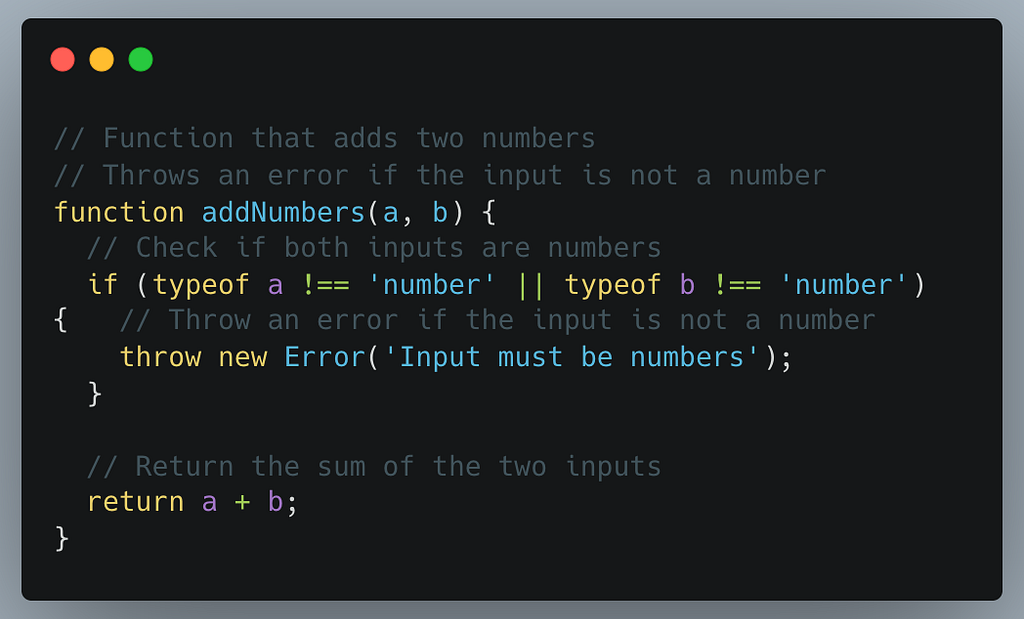
Exception handling: This involves anticipating and handling exceptions or errors that may occur during the execution of a program. This helps to prevent the program from crashing and provides a way to gracefully handle unexpected situations.
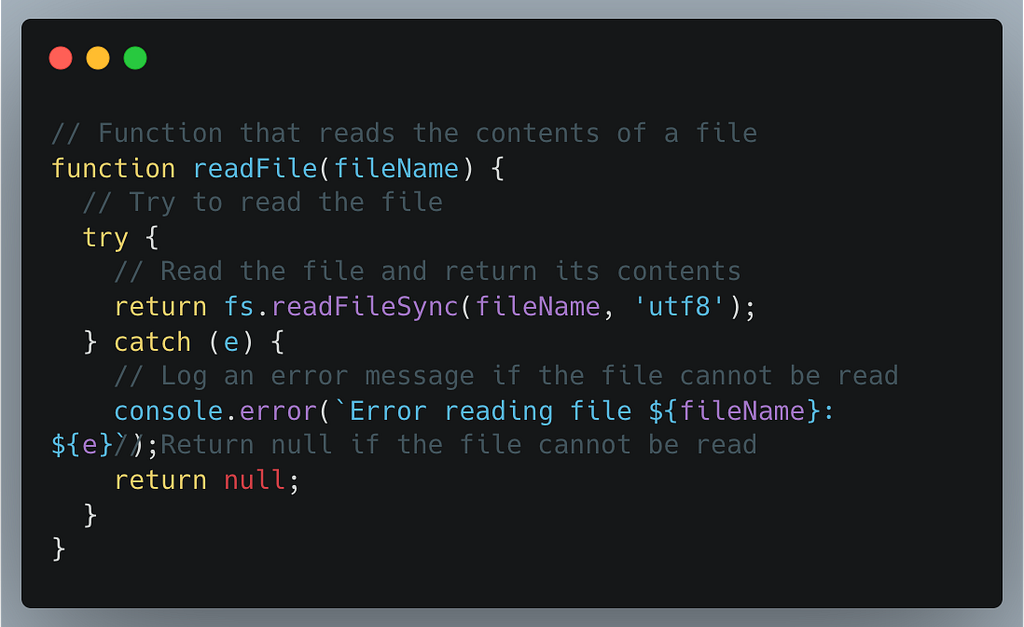
Boundary checking: This involves checking that values and variables stay within a specified range or bounds. This helps to prevent bugs and errors caused by out-of-bounds values.
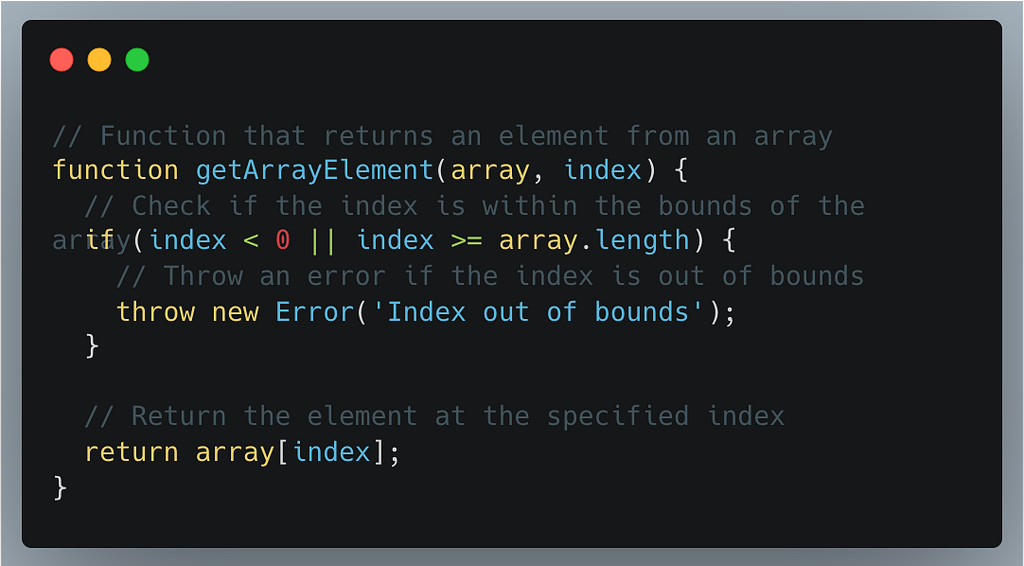
Design by contract: This involves writing preconditions, postconditions, and invariants for each module in a program. This helps to ensure that the code behaves as expected and provides a way to detect and handle errors early in the development process.
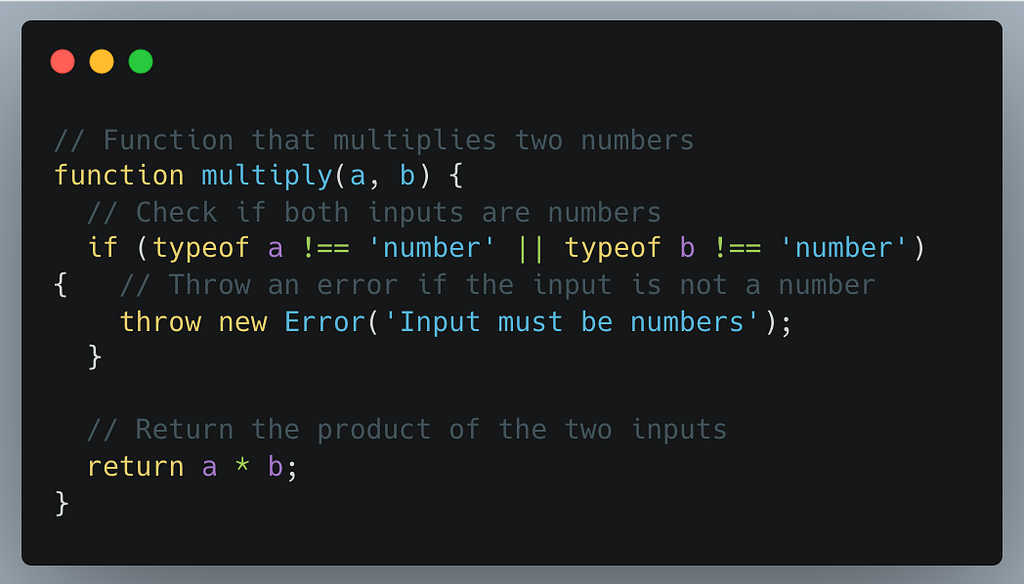
Test-driven development: This involves writing tests for each part of a program before writing the code itself. This helps to catch bugs early and ensures that the code meets the desired requirements and specifications.
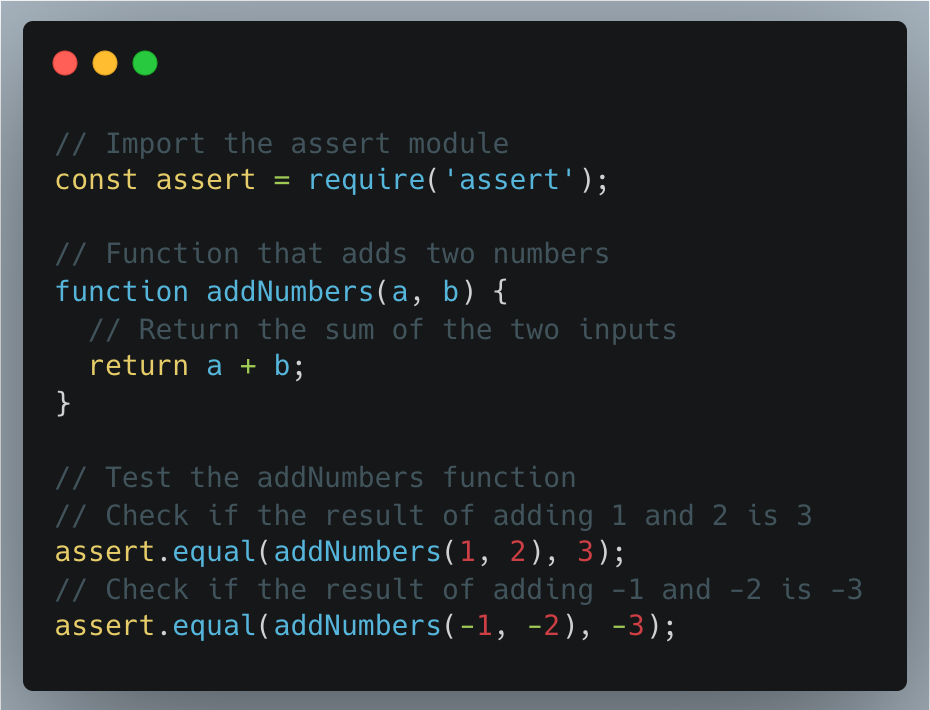
By using these paradigms, defensive programming helps to ensure the reliability and robustness of the code, preventing unexpected errors and making it easier to maintain and debug in the future.
Whether you’re a seasoned programmer or just starting out, incorporating defensive programming into your workflow is a must-do that will not only save you time and effort but also help you to produce high-quality software that your users will appreciate. So, embrace defensive programming and take your software development skills to the next level!
That’s all folks
Originally published on Medium


